client’s product is a hit! package design by foerstel
Phil Lempert, the national food trend expert known as The Supermarket Guru, recently declared the new Melt Organic product “A HIT!”
Honey Melt Organic combines their signature blend of Melt with organic wildflower honey and cinnamon for a naturally sweet taste. Honey Melt is perfect for everyone who loves the sweet combination of honey and butter but wants a healthier alternative.
We couldn’t be prouder. The team at Foerstel developed the branding and package design for this Boise-based client.
“If you’re looking to replace butter this is actually a good choice. Made from a blend of different organic plant oils and honey, this would even be good on toast by itself. The honey actually masks the oil taste. Dairy free with 425 mg of omega 3s. One tablespoon is 80 calories, 9 grams of fat and 2 grams of sugars.“
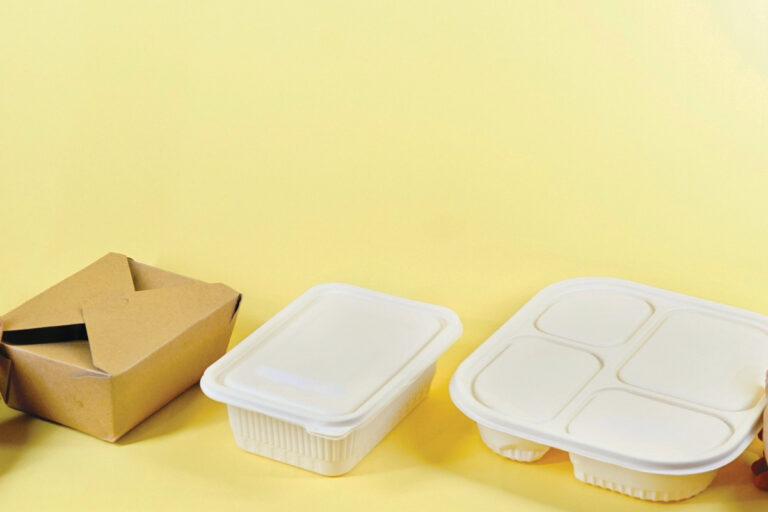
mushroom technology to replace plastic foam packaging

Ecovative Design is transforming the typical packing, creating an eco-friendly alternative to Styrofoam made from mushrooms. Their goal: to create a viable, eco-friendly alternative to the plastics industry and particularly to polystyrene, the versatile synthetic polymer best known for Styrofoam cups and packing peanuts.
Mushroom® Packaging - a compostable packaging alternative made of agricultural waste and mycelium, a fungal network of threadlike cells that is like the “roots” of mushrooms. The mycelium digests the agricultural byproducts, binding them like a natural, non-toxic glue into a structural material. This is being used to create next generation biocomposite materials, replacing plastic foams and dense materials like particle board.
Beyond packing alternatives, Ecovative Design is constantly developing new uses for the product and could eventually replace plastics in a variety of industries and applications. In fact, GOOD reports Ecovative will be working with its strategic partner, Sealed Air, to build a second factory in the U.S. and continuing to improve its sustainable material’s performance and price.
8 in 10 parents buy organic

U.S. families are increasingly embracing organic products in a wide range of categories, with 81 percent now reporting they purchase organic at least sometimes. This finding is one of many contained in the Organic Trade Association’s (OTA’s) newly released 2013 U.S. Families’ Organic Attitudes and Beliefs Study, conducted Jan. 18 to 24, 2013.
“More and more parents choose organic foods primarily because of their desire to provide healthful options for their children,” said Christine Bushway, OTA’s CEO and executive director.
Not only are more consumers choosing organic products at least sometimes, but the majority of those buying organic foods are purchasing more items than a year earlier. New entrants to buying organic now represent 41 percent of all families—demonstrating interest in the benefits of organic food and farming is on the rise.
Produce continues to be the leading category of organic purchases, with 97 percent of organic buyers saying they had purchased organic fruits or vegetables in the past six months. Breads and grains, dairy and packaged foods were also frequently cited (all scoring above 85 percent) among those who purchase organic. Families choosing organic foods are increasingly important to retailers of all types, with organic buyers reporting spending more per shopping trip, and shopping more frequently than those who never purchase organic food.
Consistent with findings from previous studies, nearly half (48 percent) of those who purchase organic foods said they do so because they are “healthier for me and my children.” Additionally, parents’ desire to avoid toxic and persistent pesticides and fertilizers (30 percent), antibiotics and growth hormones (29 percent), and genetically modified organisms (22 percent) ranked high among the reasons cited for buying organic products.
Awareness of the USDA Organic seal has also grown, with more consumers more likely to look for the seal when shopping for organic products. Moreover, over 4 in 10 parents (42 percent) say their trust in organic products has increased, versus 32 percent who indicated this point of view a year ago. In fact, younger, new-to-organic parents are significantly more likely to report improved levels of trust in organic products.
“Consumer trust is on the upswing for organic as the gold standard when seeking to avoid toxic and persistent pesticides, antibiotics, synthetic hormones, genetically engineered ingredients, and additives,” Bushway added.
Study findings, gathered in partnership with KIWI Magazine, are based on responses from 1,239 U.S. households about their attitudes and behaviors related to organic foods. The report provides in-depth information about organic consumers’ demographics, purchase motivation, labeling comprehension, shopping patterns, and more.
The 2013 U.S. Families’ Organic Attitudes and Beliefs Study is available for purchase.
[via NewHope 360]
build a vertical garden with recycled cups

Vertical gardens are a fun way to bring greenery indoors or to small patios and yards.
Turkish design firm Designnobis has created a living wall system with an upcycled twist: Their Naturwall allows anyone to create their own vertical garden using disposable cups. Rather than ending up in the landfill, coffee cups take on a second life as plant pots in the Naturwall system, which includes an aluminum metal frame with 10-12 cup holders. Users can set up the living wall in any arrangement that fits the size and type of their plants.
Designnobis believes that these vertical garden systems benefit the environment by not only reducing plastic waste, but also by increasing the number of plants indoors and in small outdoor spaces, which can help absorb carbon emissions. The Naturwall received the 2008 Green Dot Build Award, which recognizes innovative design and architecture that achieves the highest level of environmental responsibility.


[via Earth 911]
organic sculptures made from hundreds of pencils
South Carolina-based artist Jessica Drenk was born and raised in Montana where she developed an understanding and appreciation of the natural world that has since deeply influenced the course of her artistic career. Her installations and sculptures often imitate organic shapes, patterns, and textures even when using a medium that is often manufactured by human hands. Drenk’s most recent sculptures are a series called Implements, each of which begins with a mass of standard No. 2 pencils that have been tightly glued together. Using an electric sander she then molds the piece into a form that seems more likely to have originated in a dark cave or deep within the ocean than from a school desk. Of her work she says:
By transforming familiar objects into nature-inspired forms and patterns, I examine how we classify the world around us. Manufactured goods appear as natural objects, something functional becomes something decorative, a simple material is made complex, and the commonplace becomes unique. In changing books into fossilized remnants of our culture, or in arranging elegantly sliced PVC pipes to suggest ripple and wave patterns, I create a connection between the man-made and the natural.
You can find her work at Paia Contemporary in Hawaii, or Foster/White in Seattle, and see many more images over on Facebook.


[via Colossal]
a magical paper extends the shelf life of produce, organically

Have you ever come home from the market with armfuls of fresh fruits and vegetables only to find them wilting and rotting in the fridge a mere week later? Or even get home from your local produce market with a box full and anxiously scarf down pounds of fruit before it goes bad? So, the question presents itself: How do we keep produce fresh from farm to fork for an extended amount of time, and thus reduce food waste? The solution came from Kavita Shukla who didn’t necessarily set out to solve the issue; her innovation developed from her middle school science project.
After years of research and development Fenugreeen FreshPaper was founded in 2010. The small magic squares of spice-infused paper were developed as a remarkably effective way to keep food fresh - extending the shelf life of produce up to four times longer than usual.
The exact combination of herbs and spices used in FreshPaper is proprietary, of course, however the only ingredient Shukla will reveal is fenugreek, a spice often used in Indian cooking, which also lent its name to her company.

How it works:
“It basically works by inhibiting bacterial and fungal growth, as well as the enzymes that cause fruit to over-ripen,” Shukla explains. “The concept is that you can just drop a sheet into a drawer or carton. Sometimes people put it into a fruit bowl. Our customers call it a ‘dryer sheet for produce.’” Each certified organic and biodegradable sheet lasts about two to three weeks, until its distinctive maple-like scent begins to fade. “That’s how you know it’s no longer active,” Shukla explains.

Today, FreshPaper is used by farmers and families across the world and most recently has been made available in Whole Foods Markets. The growing distribution has allowed her to pursue her efforts to begin a “get one, give one” program benefiting local food banks, starting with those affected by Hurricane Sandy in New York and New Jersey. Shukla says the brand has grown entirely by word of mouth, and credits much of this grassroots energy to increased environmental awareness in consumers.
“As we start to learn more about what’s going on with food waste, we realize that there’s water involved, there’s energy costs, land, resources, that go into creating the food that we eat,” she says. “And with the economy, people are becoming much more conscious of being wasteful at home, because they know not only are they struggling, but there are people in the U.S. that have no access to fresh food at all. It seems that everyone is coming to understand the importance of buying less or conserving what we have, and how that fits into the larger food crisis.”
Fenugreen is a social enterprise with the mission of “Fresh for All.”


[sources: FreshPaper, Fast Co.]
mamma chia featured in the new york times
Amongst the buzz of Thanksgiving turkeys and cranberry sauce, one of our favorite clients received a great writeup in The New York Times. Congrats Mamma Chia on the press, we love your product and we are so thankful to have you as a client.

30 Years After Chia Pets, Seeds Hit Food Aisles
By STEPHANIE STROM
Published: November 23, 2012

Janie Hoffman founded Mamma Chia, whose fruit juices with chia seeds are sold nationwide. Photo by: Sandy Huffaker
First there were Chia Pets; now there are chia people.Ubiquitous in television ads that began 30 years ago, Chia Pets were called “the pottery that grows.” Mixing chia seeds and water on the outside of an animal-shaped terra-cotta figurine produces a plant resembling green hair almost overnight.
Now, chia is having a second life as a nutritional “it” item. Whole and ground chia seeds are being added to fruit drinks, snack foods and cereals and sold on their own to be baked into cookies and sprinkled on yogurt. Grown primarily in Mexico and Bolivia, chia, like fish, is rich in omega-3 fatty acids, though of a different sort. It also has antioxidants, protein and fiber. Recognition of its nutritional value can be traced as far back as the Aztecs.
Companies like Dole and Nature’s Path have introduced chia products, which have begun showing up on shelves in mainstream grocery stores like Ralphs, Vons and Albertsons. Mintel, a market research firm, counted 100 products containing chia in a presentation it did in March on the potential of increasing the use of the seeds in dairy products.
“About two years ago, our retailers came to us and said, ‘We need you to be in this business everyone is talking about, the business of chia seeds,’ ” said Michael P. Hirsch, vice president of Joseph Enterprises, which sells Chia Pets and other novelty products and has now added chia seeds and milled chia called - what else? - Ch-Ch-Ch-Chia Omega.
Last spring, high demand collided with weather patterns that depressed production, raising prices and the awareness that chia had moved beyond the realm of health food stores into the broader market.

Fruit juices with suspended chia seeds at Janie Hoffman's home in Bonsall, Calif. Photo by: Sandy Huffaker
Janie Hoffman, founder of Mamma Chia fruit juices, was one of the first people to recognize chia’s potential as a food. She was complaining about flax seed - “I hate how you have to grind it and then it goes rancid” - to a friend, who asked why she wasn’t using chia instead. “She said it had no taste, it’s high in antioxidants, huge in omega-3, a far superior seed,” Ms. Hoffman said. “In short, she made me feel like an idiot - no one was using flax seed anymore.”
So she bought some chia seeds online and was quickly sold on their benefits. “I started incorporating it into everything I was eating,” she said. “Stir fries, yogurt, beverages - there really wasn’t anything in my kitchen that didn’t have chia in it.”
In 2009, Ms. Hoffman developed fruit juices with chia seeds suspended in them. (Exposure to liquid gives the seeds a sticky, gelatinous coating, which is how they bond to the terra-cotta pets.)
“My first sales call a year and a half later was to Whole Foods in the southern Pacific region,” she said. “I walked in to meet the buyer and presented this chia beverage and said I would like it to go into a few stores. She said, ‘No, I want you in all of them’ ” - about 40 stores - “and that was that.”
Within 11 months, Mamma Chia products were in Whole Foods stores across the nation, as well as in hundreds of bodegas and health and natural foods stores. They are now sold in Ralphs and Vons stores and will soon be in Albertsons.
“I personally think demand for it will grow for sure, though how big it will get is still a question,” said Brad C. Bartlett, president of Dole Food Company’s packaged foods business.
Dole chose chia as the first ingredient it would promote in its new Nutrition Plus line of products, which aim to provide a functional benefit to consumers. It won out over other candidates, Mr. Bartlett said, because of its long history as a source of nutrition - the Aztecs used it for many purposes - and because it does not require much processing to confer its benefits.
The company does independent clinical testing on each product in the Nutrition Plus line to back up claims it makes about their health benefits, and it was surprised by one finding: significantly more alpha-linolenic acid in omega-3 reached the bloodstream and was converted into eicosapentaenoic acid, a long-chain fatty acid considered good for the heart, when the seeds were milled rather than whole.
“That came as quite a surprise, and we stopped the rollout and reformulated our clusters to use milled chia instead of whole seeds,” Mr. Bartlett said, referring to Dole’s Chia & Fruit Clusters.
Nature’s Path, an organic cereal company, introduced its first chia-laced cereal, Apple Crumble Love Crunch, last December, and now has eight products that include the seed in some form. “Business has been great with these products - overwhelmingly positive and, perhaps surprisingly, not just in health food stores but also in regular grocery stores,” said Arjan Stephens, executive vice president of sales and marketing at Nature’s Path.
Mr. Stephens said chia’s nutritional attributes, along with its many uses in food processing, could turn it into a staple. “It can be used in gluten-free breads or waffles to add fluffiness or to replace eggs in vegan products,” he said. “It offers an alternative to those with nut allergies.”
Mr. Hirsch, the Joseph Enterprises vice president, was less certain that chia would be a blockbuster, even though his company is adding protein bars to its line of edible chia products, which are sold in Walgreens, CVS and other drugstores. He said he was concerned about the supply of chia seeds, which are harvested once a year and grown in rotation, usually with corn.
Australia has recently joined Mexico and Bolivia in the chia-production act with its own type of seed that is grown somewhat differently, Mr. Hirsch said. But it is a difficult crop to grow outside of the traditional areas, and the market is tiny, about $70 million.
“Everybody is looking at this because everybody is always looking for something new,” Mr. Hirsch said. “I also know from the sales at this point it’s a niche market still, and we don’t know how big the niche is yet.”
If that niche fails to expand, there will always be another Chia Pet. This year, Chia Hello Kitty is joining the lineup.
—
[via: The New York Times ]
A version of this article appeared in print on November 24, 2012, on page B1 of the New York edition with the headline: 30 Years After Chia Pets, Seeds Hit Food Aisles.
oprah’s organics to hit the shelves

AP
It appears that the media mogul Oprah Winfrey is venturing into the organic food business. Several applications for “Oprah’s Organics” were filed last month, according to the US Patent and Trademark Office. The filings indicated toiletry items such as soaps, oils, hair products, and sunscreen, as well as expanding into food products like salad dressings, frozen vegetables, soups and more. In addition, applications for “Oprah’s Farm” and “Oprah’s Harvest” were also submitted. According to the New York Post:
The addresses for the applicant’s include the Wilshire Boulevard addresses of Winfrey’s business and the Chicago address of Winfrey’s Harpo Inc., offices. Winfrey, who launched her own girls’ school in South Africa and has topped Forbes’ list of highest-paid celebrities this year earning an estimated $165 million, already owns hundreds of acres in Maui, which include a large farm and a bed and breakfast. A rep for Winfrey told us: “The trademarks were filed for Oprah’s farm on Maui to enable the farm to grow and distribute produce on Maui and throughout the Hawaiian Islands.”
What sounds like a forward-thinking business venture expanding from Oprah Winfrey’s empire could be more than just a publicity stunt or even “fall-back plan” as O.W.N struggles to survive on television.
As a savvy businesswoman, Oprah may have identified the organic market as a commercially viable space that she can easily dominate on store shelves. If she can get millions of viewers to read books together, she could definitely get millions of consumers to buy her organic brands. So how would this affect the industry at-large?
Some are saying this would spawn an “Oprah Effect” in organics, similar to “Dr. Oz Effect” within the natural products industry. Oprah was the catalyst that launched Dr. Oz into celebrity status, essentially building his brand and image.
It is unlikely we will see an increase in organic produce growth as her Hawaiian farm is limited to inter-island distribution. However, once her brands meet organic certification, we might see some serious competition on the mainland in organic salad dressings, beverages, packaged foods and even personal care products.
Competition is a good thing. Savvy customers reaching for Oprah’s brands will instinctively compare prices with established organic brands. Customers who may have never purchased organic goods before will seek Oprah’s for the sake of novelty, and perhaps continue with a new buying habit.
A line of Oprah-branded organic foods has the potential to reach more people, thus expanding access to areas where organic is not currently recognized or valued. With this in mind, along with a healthier farming environmental impact in Hawaii, we’d like to welcome Oprah to the organic scene.
[sources: NY Post, New Hope 360]
let’s not forget to be thankful for the earth
Thanksgiving is just a week away and many of us will be surrounded by friends and family enjoying an amazing home cooked meal of turkey, mashed potatoes and gravy. With delicious food on our minds, we often forget how the Thanksgiving holiday affects the environment. Of the 248 million turkeys raised each year, over two-thirds (that’s 82.67 million turkeys) are consumed each Thanksgiving.. For many Americans, turkey is a must-have during the holiday feast, even with it, there are ways to have a healthier, more sustainable “Turkey Day”.
buy local
As a measure to reduce carbon emission, it’s best to purchase your turkey from a local, organic source which helps keep agriculture thriving in your area. Check AllOrganicLinks.com for a comprehensive database for all things organic. Organic turkeys ensure that no pollution will enter the air or water as a result of harmful pesticides and hormones, thus making them taste better ultimately better for you. Additionally, when buying produce make sure to buy local and organic and in-season vegetables. This will reduce the carbon emissions of your Thanksgiving. If you’re unsure of which vegetables are in season, click here.

limit travel
Many Americans hit the road to visit family and friends; this is one of the hidden greenhouse gas creators during the Thanksgiving holiday. When possible, make sure to carpool to your dining destination, or invite your neighbors into your home, keeping everyone close and strengthening the community while reducing the ecological impacts of the holiday. According to GreenLivingEco.com, if every family reduced their Thanksgiving gas usage by one gallon, we would reduce greenhouse gas emissions by one million tons each year.

reduce waste
Like many people, the meal is the favorite part about the holiday. However, Americans waste about 25% of food each year on Thanksgiving. To reduce this, plan your meals appropriately. A rule of thumb is to have a main course, four sides, and a dessert - assume each person will have about one pound of turkey and approximately one-fourth of a pound of each side. If you still end up making too much, remind your guests to bring food storage containers and send them home with a ‘doggie bag’ or donate them to local homeless shelters. Composting the remaining scraps is another sustainable alternative.
decorations
While a big feast can generate holiday bliss, festive decorations can also contribute. When decorating, keep in mind sustainable, homemade ways to give your home the Thanksgiving vibe. Use items from your yard - gather pine cones, twigs, and leaves to create a centerpiece. Pair candles with walnuts to create a modern tablescape.


be thankful
With cheer in the air around the holiday seasons, it’s always important to thank your family and friends for an amazing year, but we should also appreciate the earth for supplying us with an amazing place to live, beauty to view, and food to eat. Do your part to have a sustainable, healthy Thanksgiving to make sure there are more beautiful holidays for generations to come.
[source: US Census]
have a ‘greener’ halloween
Halloween is right around the corner and before you know it, you’ll be getting handfuls of little four-foot monsters, ghosts, and ghouls knocking on your door. And that means a lot of candy with questionable ingredients and excessive waste. Here at Foerstel we are committed to helping you live a healthier lifestyle with a reduced impact on Mother Earth, so we’d like to share some tips on how to have a ‘greener’ Halloween!
candy + treats
Look for natural candy and when possible Fair Trade certified sweets. A great resource for this is Natural Candy Store, a family-run business located in California and THE online place to go to find vegan and organic candy. All of the items are clearly marked with symbols to identify what categories they fall into, including those made in the US. Additionally, every piece they sell contains NO artificial colors or dyes, NO artificial flavors, NO artificial sweeteners, NO preservatives, NO hydrogenated oils. Check them out, you still have a several days to place your order just in time for Halloween.

energy themed jack-o-lanterns
This year ,show your dedication to reducing energy usage! In lieu of a scary face or spider, opt to carve a pumpkin with an energy theme. Choose from five downloadable designs by EnergySaver.gov and then use flameless LED to illuminate.

© Ramon Gonzalez
toting your treats
Easily grab a reusable grocery bag or decorate a paper bag or get creative this time around and make your own candy bucket out of recycled items found around your home using this treat bucket tutorial.

costumes
Check your local area for costume swaps, borrow costumes from friends, get creative and make your own - Pinterest is a great source for inspiration, visit a local thrift store where you’ll save money and reduce packaging waste. Also, be sure to avoid any costumes containing PVC, which is harmful to the environment and you.
Swapping half of the costumes kids wear at Halloween
would reduce annual landfill waste by 6, 250 tons,
equal to the weight of 2,500 mid-sized cars*
*via Bob Lilienfeld, based on data from U.S. Census Bureau and Department of Transportation. Assumes costume weight of 1 pound